Burst pipe flooding a room overnight
We shut off the source, extract the standing water, and dry the walls and subfloor with air movers and dehumidifiers. Moisture readings confirm the cavity is dry before we close anything up.
When a pipe bursts or a toilet overflows, water damage mitigation South El Monte CA is the work that saves your floors, walls, and air quality. We pull standing water, dry the structure, and treat for mold before it spreads. Our team has served South El Monte, California since 2020, and we answer calls 24/7 across Los Angeles County. One call and we roll.
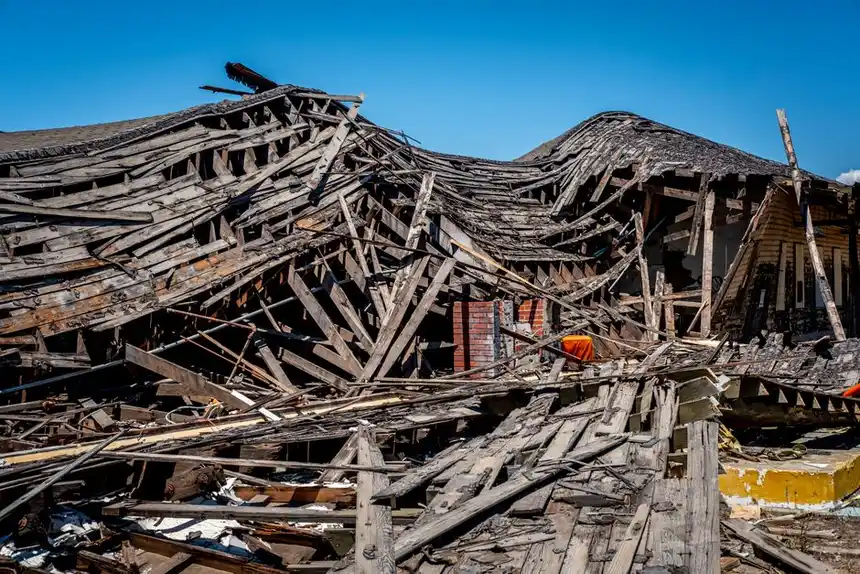
Water damage mitigation South El Monte CA is the emergency phase of water damage work: stopping the source, extracting standing water, and drying the structure before mold takes hold. It is not a mop-and-fan job. We use moisture meters and thermal imaging cameras to map where water traveled behind drywall and under wood subfloor, then we pull it out with water extraction units and dry the cavity with air movers and dehumidifiers. Done right, mitigation saves the structure. Done late, you are looking at tear-out.
South El Monte homes and businesses sit in a basin where clay soil holds water after heavy rain, and older plumbing in the Garvey Avenue Corridor and Rush Street Neighborhood fails without warning. A slab leak under a 1950s ranch house or a burst pipe above a commercial unit in the South El Monte Industrial Park can soak a building in under an hour. If you are searching for water damage mitigation near me South El Monte CA at 2 a.m., we are already loading the truck.
Every mitigation job we run in South El Monte includes the core work that stops the damage and gets your structure dry. If a repair goes beyond mitigation, like replacing drywall or flooring, we scope that separately and tell you upfront before any work starts.
We remove standing water with truck-mounted extraction units, portable units, and wet/dry vacuums. For heavy volume we bring a sump pump. Most rooms are cleared in two to four hours.
We use moisture meters, thermal imaging cameras, and inspection cameras to find where water traveled behind walls and under floors. You get a clear map of the wet zone before we start drying.
We place air movers, dehumidifiers, and floor drying mats to dry the structure. We check readings daily and adjust equipment until the building hits dry standard, usually in three to five days.
We apply antimicrobial spray to affected framing, baseboard, and cavities to stop mold growth after water damage. For contaminated water like sewage backup, we use hospital-grade disinfectants.
We log moisture readings, photos, and equipment use in Xactimate format and send the file to your adjuster. That documentation is what gets your claim approved without delays.
You call (833) 321-7153 and describe what happened. We ask about the source, the room, and whether the water is clean or contaminated. A crew is dispatched with extraction and drying gear loaded. In most of South El Monte we are on site within 60 minutes.
We walk the property with a moisture meter, thermal imaging camera, and inspection camera. We find the wet zone, check behind walls and under floors, and mark the boundaries. You get a clear picture of what is wet and what is not before we start pulling anything apart.
Standing water comes out first. We use water extraction units and wet/dry vacuums, and a sump pump if the volume is heavy. For a flooded basement or a sewage backup, we handle the contaminated water with the right PPE and disposal. Most extraction jobs take two to four hours.
We set air movers and dehumidifiers, sometimes a desiccant dehumidifier for tight or cool spaces. Floor drying mats go down on hardwood. We check readings daily and adjust equipment until the structure hits dry standard, which usually takes three to five days.
We apply antimicrobial spray to affected framing and cavities, then take final moisture readings and document everything. You get a drying report you can hand to your insurance adjuster. If any material cannot be saved, we tell you straight and scope the repair.
Purpose-built equipment, used by trained technicians — so the job is done accurately the first time.
We use these to measure moisture content in drywall, wood, and concrete, and to track relative humidity in the air. They tell us when the structure is actually dry, not just dry to the touch.
This shows us temperature differences behind walls and under floors, which reveals where water has traveled without us having to cut open every surface. It speeds up the inspection and reduces unnecessary demolition.
Truck-mounted and portable extraction units pull standing water out of carpet, hardwood, and concrete fast. They are the first piece of equipment we run on any job.
Air movers keep air circulating across wet surfaces while dehumidifiers pull moisture out of the air. Together they dry the structure in three to five days instead of letting it sit and grow mold.
For cool or tightly sealed spaces like crawl spaces and commercial units, a desiccant dehumidifier pulls moisture more effectively than a standard refrigerant unit. We bring these when the job calls for it.
These mats sit on top of hardwood floors and pull moisture out of the wood without causing warping. They let us save floors that would otherwise need to be torn out and replaced.
HEPA filters capture mold spores and fine particles during drying, and antimicrobial spray treats affected framing and cavities. We use both on every job where mold growth is a risk.
A supply line burst under the kitchen sink overnight and water spread across 400 square feet of hardwood and into the baseboard. The homeowner found standing water at 6 a.m. and called us.
We extracted the water in two hours, set air movers and a dehumidifier, and used floor drying mats on the hardwood. The floor dried in four days without warping, and the baseboard was saved. Total job came in at $2,400.
A sprinkler line broke in a 2,000-square-foot warehouse unit and water spread across the concrete floor and up the drywall. The tenant found it the next morning with standing water an inch deep.
Our commercial crew extracted the water in three hours, set desiccant dehumidifiers, and dried the concrete and drywall in three days. We documented the job in Xactimate and the claim was approved without a dispute.
An upstairs toilet overflowed and water ran through the ceiling into the hallway below. The ceiling drywall was sagging and the hallway carpet was soaked.
We extracted the water, removed the sagging drywall, dried the framing in four days, and treated the area with antimicrobial spray. We repaired the ceiling and the hallway was back to normal in a week.
Most water damage calls fall into a handful of categories. Here is what we see most in South El Monte and how we handle each one before it turns into a mold job or a structural repair.
Ask a pro →We shut off the source, extract the standing water, and dry the walls and subfloor with air movers and dehumidifiers. Moisture readings confirm the cavity is dry before we close anything up.
We use thermal imaging and moisture meters to trace the leak path, dry the affected slab and flooring, and treat the area so mold does not take hold. We document the scope for your insurance claim.
Our crews suit up in PPE, remove contaminated material, disinfect with hospital-grade products, and dry the structure. We dispose of the waste properly and clear the space for safe use.
We find the source, drain and remove the sagging drywall, dry the cavity, and treat the framing. We also repair the ceiling so you are not left with a hole after the dry-out.
Most residential mitigation jobs in South El Monte run $1,200 to $4,500 in 2026, depending on how much water, how far it spread, and how many days of drying are needed. A small toilet overflow might land near $1,200, while a flooded basement or slab leak with contaminated water runs higher. We give you a written scope before we start, and we bill insurance directly when the claim covers it.
Water damage control in South El Monte CA is the same service as mitigation: stopping the water source, extracting what is standing, and drying the structure to prevent mold and rot. The term gets used interchangeably. In practice it means we bring extraction units, air movers, and dehumidifiers, take moisture readings, and do not leave until the building hits dry standard.
Extraction usually takes two to four hours. Structural drying takes three to five days for most homes, and up to seven days for dense materials like plaster or a wet crawl space. We check moisture daily and pull equipment as soon as the readings hit dry standard, so you are not paying for extra days you do not need.
Yes. We document every job in Xactimate format with photos, moisture maps, and daily drying logs, then send the file to your adjuster. Most standard homeowner policies cover sudden water damage from a burst pipe, toilet overflow, or appliance failure. We can talk to your adjuster directly so you are not stuck relaying messages.
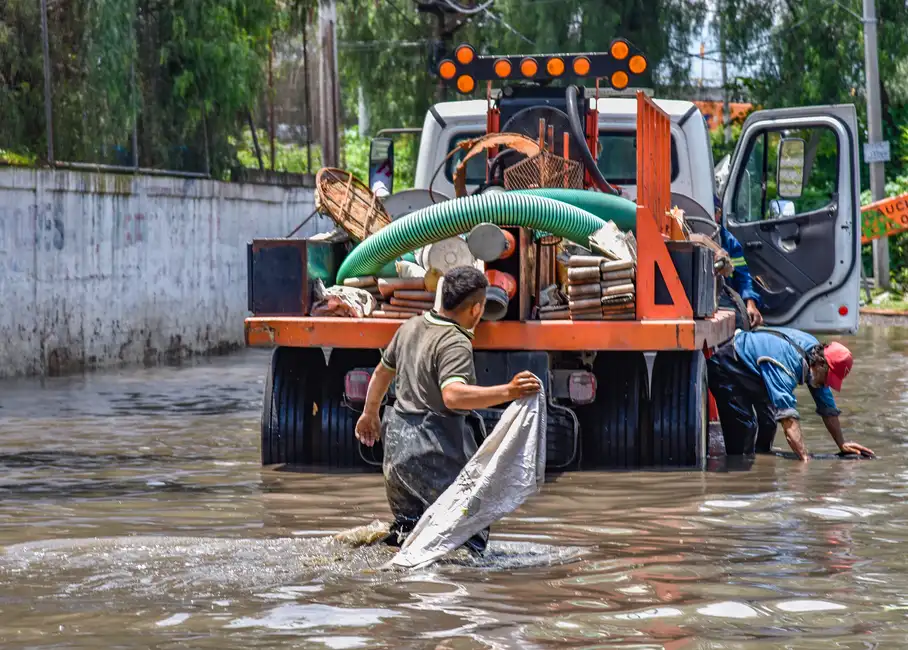 flood restoration servicesWhen storm water or a creek overflow pushes into your property, flood restoration services handle the contaminated water, debris, and full dry-out. We pair this with mitigation so your South El Monte home or shop is clean, dry, and safe to reoccupy.Explore →
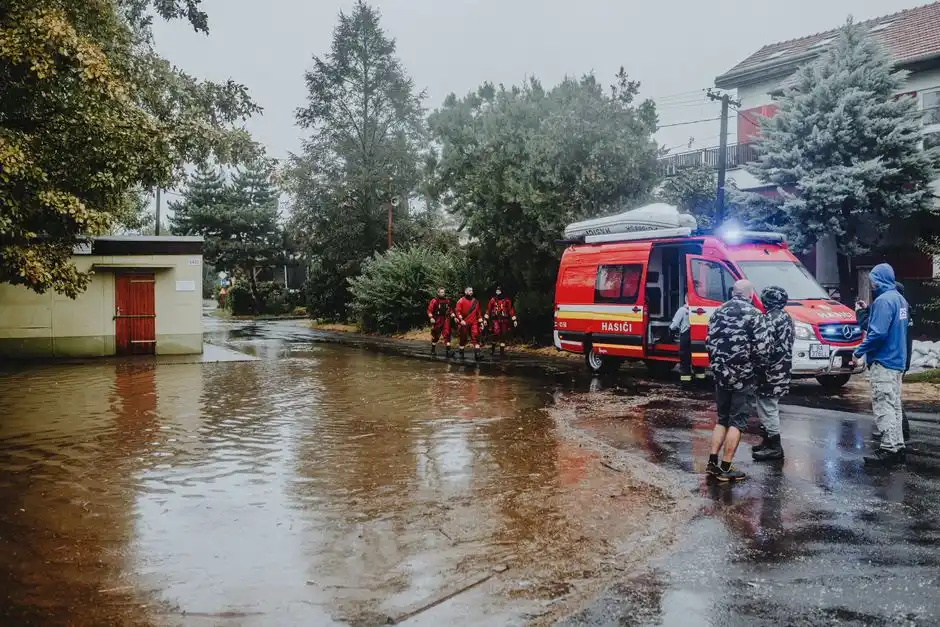 emergency water removalStanding water needs to come out now. Our emergency water removal crews run 24/7 in South El Monte with truck-mounted extraction units and sump pumps, pulling hundreds of gallons fast so the water does not wick further into walls and floors.Explore →
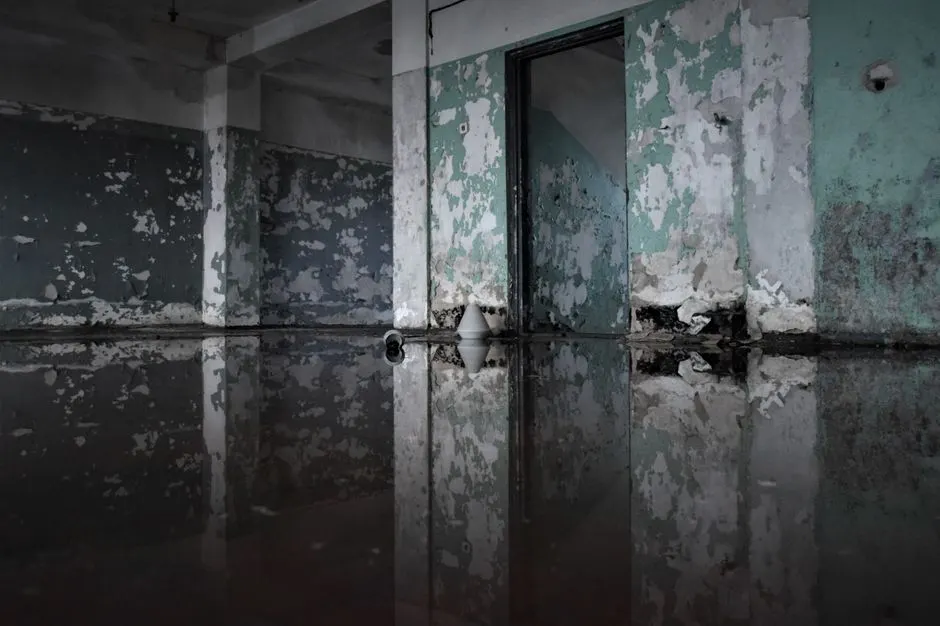 mold remediation after water damageIf water sat more than 48 hours, mold may already be growing. We handle mold remediation after water damage with containment, HEPA filtration, and antimicrobial treatment, then clear the area so your South El Monte property passes a post-remediation check.Explore →
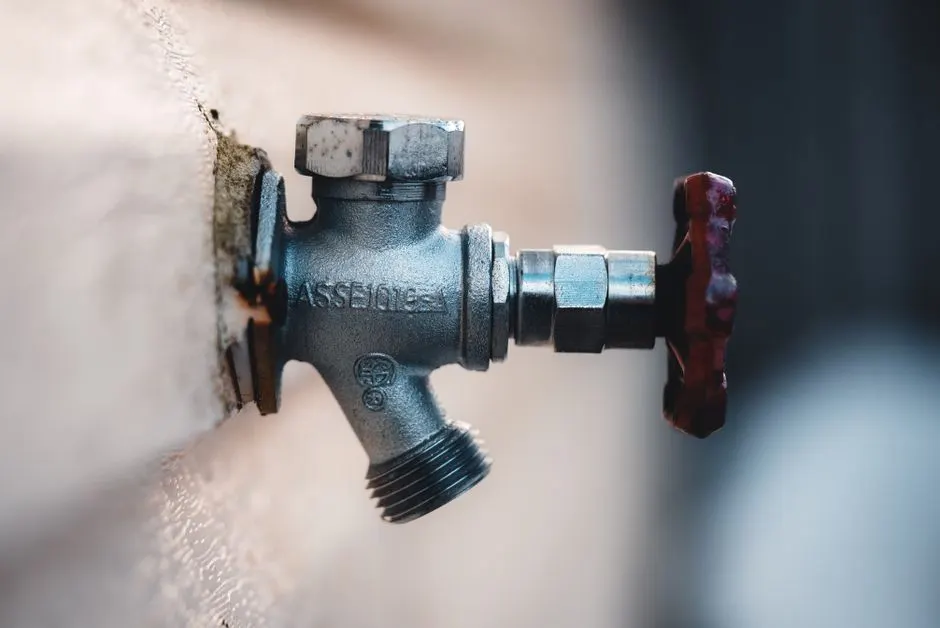 water leak restorationA slow slab leak or a pinhole supply line leak can rot framing for months before you notice. Water leak restoration finds the source, dries the cavity, and repairs the damage so you are not chasing the same wet spot every rainy season in South El Monte.Explore →
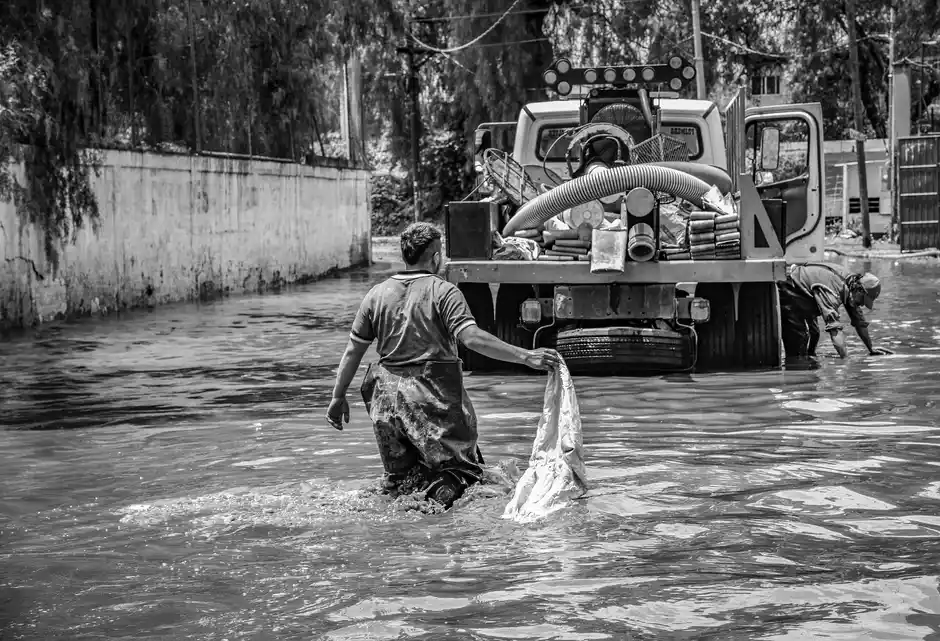 emergency water cleanupToilet overflows, washing machine failures, and water heater leaks all need emergency water cleanup. We extract, disinfect, and dry the area, and we handle contaminated water with the right protective gear and disposal methods for your South El Monte property.Explore →
 water extractionOur water extraction service uses truck-mounted units and wet/dry vacuums to remove standing water from carpet, hardwood, and concrete. It is the first step in every mitigation job, and getting it done fast is what keeps your South El Monte floors from being torn out.Explore →
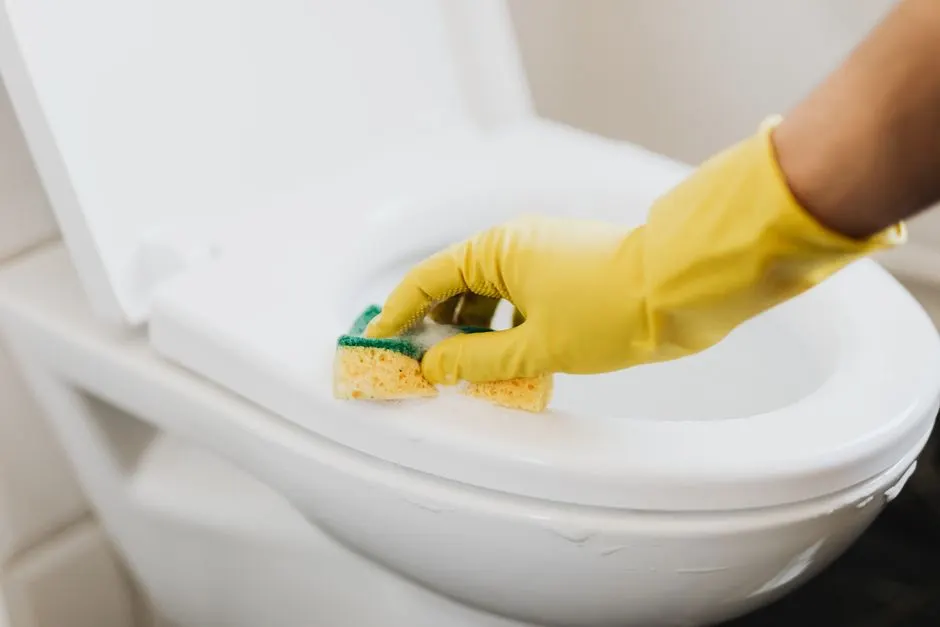 toilet overflow cleanupA toilet overflow can dump 20 to 40 gallons in minutes, and the water is often contaminated. We handle toilet overflow cleanup with extraction, antimicrobial treatment, and drying, so your South El Monte bathroom and hallway are safe and dry again.Explore →
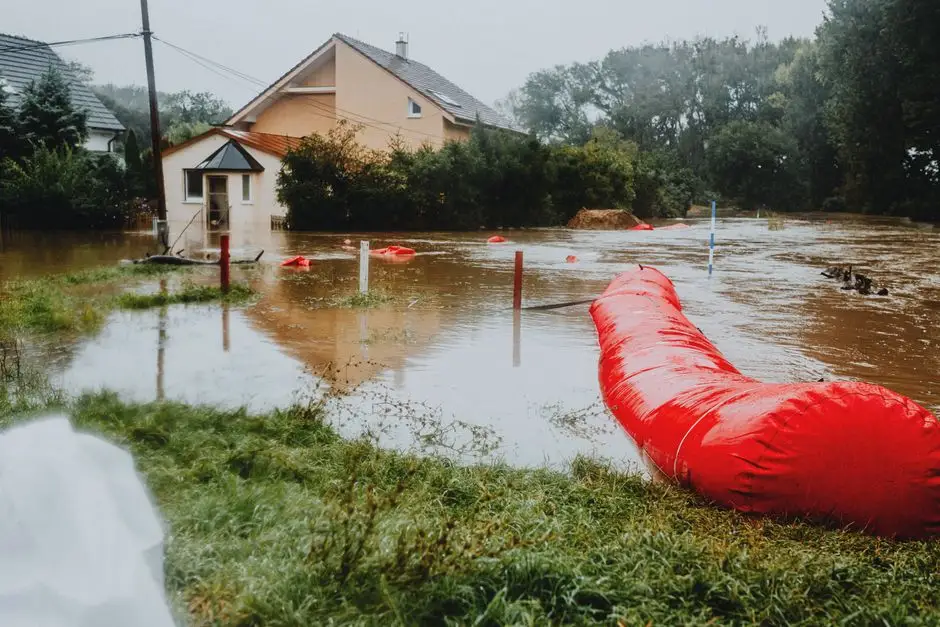 basement flood cleanupBasements and below-grade garages flood fast in South El Monte when clay soil stops absorbing rain. Our basement flood cleanup crews pump out the water, dry the walls and slab, and treat for mold so the space does not stay damp and musty.Explore →
Water spreads fast, and every hour counts. Our IICRC-certified crews are on call 24/7 and most South El Monte addresses get a truck within 60 minutes. One call starts the dry-out. We handle the extraction, the drying, and the insurance paperwork.
Get Emergency Help (833) 321-7153 →If water is where it should not be, call (833) 321-7153. A technician answers around the clock, and we dispatch to South El Monte, Los Angeles County, and the surrounding areas. Most calls get a crew on site within the hour, and we start extraction the same visit.