How to dry out a flooded attic and prevent mold in Whittier Narrows
A flooded attic in Whittier Narrows starts growing mold in 24 to 48 hours. Here is the exact drying sequence, the humidity targets, and the mistakes that cost homeowners thousands.
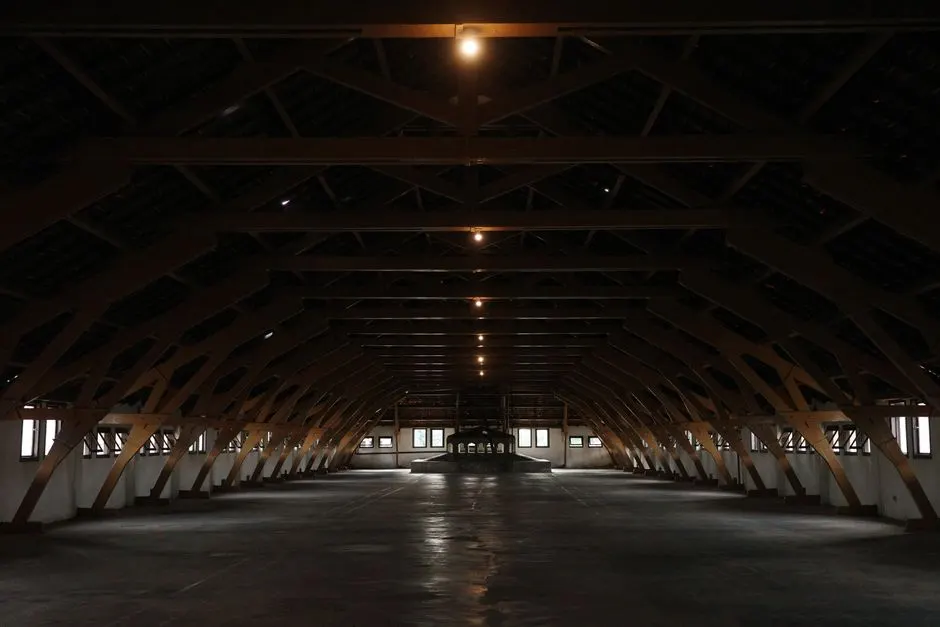
Dry out a flooded attic in Whittier Narrows by stopping the water source, removing standing water and saturated insulation within 24 hours, then running high-capacity air movers and a dehumidifier until wood moisture drops below 15 percent. Mold can colonize wet attic framing in as little as 24 to 48 hours in our warm, humid climate, so speed matters more than any single product you buy at the hardware store.
How to dry out a flooded attic in Whittier Narrows CA is really two jobs stacked on top of each other: getting the water out, then keeping the structure dry long enough that mold never gets a foothold. This guide walks through the sequence we use on attic calls across South El Monte and the Whittier Narrows area, from the first hour to the final moisture reading.
Why Whittier Narrows attics flood and why mold follows fast
Whittier Narrows sits in a low, wind-funneled basin where winter storms and summer monsoon moisture both push hard against older roof assemblies, and that geography is the reason attic floods cluster here. The area's housing stock includes a lot of 1950s to 1970s single-story homes with low-pitch roofs, minimal ridge venting, and original 2x4 framing that soaks up water like a sponge.
Add the Santa Ana wind events that strip shingles and drive rain sideways under flashing, and you get attics that take on water through paths homeowners never see from the ground. A missing kick-out flashing at a wall intersection can dump 30 to 50 gallons into an attic during a single two-inch storm.
Mold needs three things: moisture, organic food (wood, paper-faced drywall, cellulose insulation), and warmth. Whittier Narrows delivers all three. Attic temperatures in July and August routinely hit 130 to 150 degrees Fahrenheit, which accelerates mold growth dramatically compared to a cool climate. That is why attic mold prevention Whittier Narrows homeowners ask about is not a cosmetic concern - it is a structural one.
How do I dry out a flooded attic in Whittier Narrows?
You dry out a flooded attic in Whittier Narrows by following a fixed sequence: stop the source, extract standing water, remove soaked insulation, set up airflow and dehumidification, and verify with a moisture meter before you close anything back up. Skipping any step is how a two-day drying job turns into a two-week mold remediation.
Step 1: Stop the water and make the attic safe
Find the entry point before you touch anything. Common culprits are failed roof flashing, a cracked vent boot, a leaking swamp cooler line, or a burst PEX supply line running through the attic to a bathroom fan. Shut off the water at the main if a supply line is involved, and kill power to any attic circuit that is wet.
Do not walk a wet attic ceiling. Wet drywall loses most of its strength and will not hold your weight. If the ceiling is sagging, stay out and call for emergency water removal South El Monte CA - a ceiling collapse with someone in the attic is a hospital visit, not a repair bill.
Step 2: Extract standing water and pull wet insulation
Standing water in an attic usually pools in low spots between joists or along the eaves. A wet/dry shop vac handles small pools; anything over about a quarter inch across a large area needs truck-mounted extraction. Saturated batt insulation has to come out - it holds water against the wood and will not dry in place. Blown-in cellulose is worse: it clumps, mats down, and stays wet for weeks.
Bag the wet insulation and get it out of the house. Leaving it in a garage or on the driveway keeps moisture in the air around the structure.
Step 3: Set up airflow and dehumidification
This is where most DIY attic drying fails. A box fan in the attic hatch moves air but does not remove moisture. You need two things working together: air movers to evaporate water off surfaces, and a refrigerant or desiccant dehumidifier to pull that moisture out of the air.
For a typical 1,000-square-foot attic, plan on one air mover per 100 to 150 square feet aimed along the wet framing, plus a dehumidifier rated for at least 70 pints per day. Keep the attic hatch closed and seal off any open vents to the living space so you are not pulling humid air from the house into the drying chamber.
Step 4: Verify with a moisture meter
Do not trust your hand. A pin-type moisture meter reading below 15 percent on framing and below 12 percent on drywall is the target. Check the same spots every 12 hours and log the numbers. If a reading has not dropped in 24 hours, something is still wet or your equipment is undersized.
The drying timeline: what happens hour by hour
A flooded attic in Whittier Narrows typically takes 3 to 5 days to dry with professional equipment, and the first 48 hours decide whether you also have a mold problem. Here is the realistic timeline we see on attic jobs.
- Hours 0-2: Water is actively spreading through insulation and along joists. Every minute counts.
- Hours 2-24: Standing water extracted, wet insulation removed, equipment running. Mold spores begin germinating on wet wood in this window.
- Hours 24-48: Visible mold can appear on framing and roof sheathing. This is the hard deadline for getting the structure dry.
- Days 3-5: Moisture readings trend down toward the 15 percent target. Equipment stays running until readings hold for 24 hours.
- Days 5-7: Final verification, insulation replacement, and any minor repairs to drywall or framing.
If the attic has been wet for more than 72 hours before anyone noticed, assume mold is present and plan for attic mold remediation South El Monte CA as part of the job. Treating it as a separate later project always costs more.
How to prevent mold in a flooded attic in Whittier Narrows CA
You prevent mold in a flooded attic in Whittier Narrows CA by drying the structure within 48 hours, keeping relative humidity below 60 percent during drying, and treating any wood that stayed wet past that window. Mold prevention is not a spray you buy - it is a schedule you keep.
Three things matter most:
- Speed. Get water out and equipment in within 24 hours. Every additional day of wet framing roughly doubles the mold risk.
- Humidity control. Target 40 to 50 percent relative humidity in the attic during drying. Above 60 percent, mold grows even on wood that looks dry to the touch.
- Antimicrobial treatment on framing. Any wood that was wet for more than 48 hours should be treated with an EPA-registered antimicrobial before new insulation goes back in.
Long term, attic mold prevention Whittier Narrows homeowners should focus on is ventilation and roof maintenance. Check flashing at wall intersections and around vent pipes every fall before the rainy season. Clear soffit vents of paint, insulation, and debris. If your attic has less than 1 square foot of net free venting per 150 square feet of attic floor, add vents - that ratio is the building code minimum for a reason.
If you are dealing with a slow leak that has been feeding moisture into the attic for months, the fix is water leak restoration South El Monte CA before any mold work - treating mold without stopping the water is throwing money at a problem that comes back.
What to watch out for: mistakes that turn a wet attic into a mold job
The most expensive attic flood mistakes we see in Whittier Narrows are the ones that look like common sense at the time. Here are the ones that cost homeowners the most.
- Leaving wet insulation in place. It will not dry. It holds water against the wood and feeds mold for weeks.
- Relying on a fan and open windows. On a humid day in Whittier Narrows, open windows bring more moisture in than they let out. You need mechanical dehumidification.
- Spraying bleach on framing. Bleach does not penetrate wood, and it leaves behind water that feeds the next mold bloom. Use an EPA-registered antimicrobial instead.
- Closing the attic up too early. If you reinstall insulation or drywall before moisture readings hit target, you trap moisture inside the assembly.
- Ignoring the source. If you do not find and fix the entry point, the next storm floods the attic again.
One more: do not assume the ceiling below is fine because it looks fine. Water travels along joists and shows up as a stain three rooms away. If you see any discoloration on the ceiling below the attic, plan for ceiling water damage repair South El Monte CA alongside the attic drying.
When to call a professional
Call a professional when the water covered more than a small area, when insulation is saturated, when the attic has been wet for more than 24 hours, or when you see or smell mold. Those four conditions push the job past what shop vacs and box fans can handle.
Our team handles attic water damage restoration Whittier Narrows California homeowners call us for because we bring the equipment that actually dries a structure: truck-mounted extraction, high-capacity air movers, commercial dehumidifiers, and moisture meters that tell us when the job is done rather than when it looks done. We also handle the insulation replacement and any drywall or framing repairs that follow.
If you are in one of the neighborhoods we serve regularly, like the Whittier Narrows Water Damage Restoration service area, we can usually be on site the same day you call. For broader coverage across the city, our Water Damage Restoration team handles everything from attic floods to slab leaks.
Frequently Asked Questions
How do I dry out a flooded attic in Whittier Narrows?
Stop the water source, extract standing water, remove saturated insulation, then run air movers and a dehumidifier until wood moisture reads below 15 percent. That usually takes 3 to 5 days with professional equipment. DIY fans alone will not dry an attic in this climate.
How to prevent mold in a flooded attic in Whittier Narrows CA?
Dry the structure within 48 hours, keep attic relative humidity below 60 percent during drying, and treat any wood that stayed wet longer than 48 hours with an EPA-registered antimicrobial. Fix the water entry point so it does not happen again.
How long does it take to dry a flooded attic in Whittier Narrows?
Three to five days with commercial air movers and dehumidifiers, assuming the water source is stopped and wet insulation is removed. Attics that stay wet past 72 hours usually need mold remediation added, which pushes the timeline to 7 to 10 days.
Who do I call for attic water damage in Whittier Narrows?
Call a licensed water damage restoration company that handles both drying and mold. Water Damage Restoration South El Monte serves the Whittier Narrows area and can be reached at (833) 321-7153 for same-day attic assessments.
Does homeowners insurance cover attic water damage?
Most policies cover sudden events like a burst pipe or storm-driven roof leak, but not long-term neglect or slow leaks. Document the damage with photos before cleanup starts, and keep the wet insulation until the adjuster sees it.
Get help with Water Damage Restoration in South El Monte
A flooded attic gets more expensive every hour it stays wet. If your attic took on water in Whittier Narrows, call us now and we will get equipment running today.
Call Water Damage Restoration South El Monte at (833) 321-7153 for same-day attic drying and mold prevention.